

I’ve dedicated years dissecting online gambling platforms, and only some manage to combine aggressive promotions with superior payout mechanics the way Stake Casino Tournaments does. For Canadian players, Stake is a unique entity: crypto-friendly infrastructure, provably fair games, and a bonus system that doesn’t just look good on a landing page; it truly produces more frequent withdrawals. I’m most impressed by how the platform connects reward triggers to real-time gameplay rather than burying value behind murky wagering schedules. The second you enter the ecosystem, you can notice that payout speed has been constructed as a core differentiator, not an afterthought. In this review, I’ll walk you through exactly how the bonus architecture works, why payout speeds beat most Canadian competitors, and where the game selection and community features establish a sustainable edge for serious players who view gambling as both entertainment and a math exercise in expected value.
How the Welcome Package Actually Rewards Canadian Players
Upon initially registering via the Canadian portal, I anticipated the typical matched deposit deal that’s become commonplace. Instead, I received a multi-stage onboarding process that spreads value across several days instead of offering it all at once. The opening deposit match uses a percentage match that’s above the Canadian average, but what caught my eye was how future reload bonuses trigger based on your net equity changes rather than standard time triggers. This means if you fund your account on a Tuesday and remain engaged on the site, extra bonus credits will pop up without you needing to claim them manually. I checked this over three deposit periods, and the payout pattern was uniform, pointing to an automated mechanism, not a hand-tuned promotion. The minimum deposit limits are priced in Canadian dollars and correspond to the bankroll amounts I frequently observe among casual and semi-professional players in Ontario, BC, and Quebec. There’s no forced raising of entry thresholds to force you into uncomfortable wagering levels, and that’s a powerful indicator of trustworthiness. The bonus money arrives as site credits with a transparent rollover, and I validated through my own sessions that the allocation percentage on high-RTP slots and table games is fair, unlike the industry habit of slashing blackjack contributions to almost nothing.

Mobile Usability and Platform Stability Throughout Different Devices
I evaluated across an iPhone 15 Pro, a Samsung Galaxy S24, and a standard desktop browser to stress-test the responsive architecture. The mobile web version doesn’t require a downloadable app, which I personally like because it eliminates the update hassle and storage bloat of native apps. The interface scales smartly to smaller screens, and I never ran into the frustrating element overlap or button misalignment that afflicts hastily optimized casino sites. Game loading times on mobile were regularly within five seconds for slots, and live dealer streams kept a stable bitrate even when I was connected through a VPN routed through Vancouver. One technical detail that impressed me was session persistence: if I switched from mobile data to Wi-Fi mid-session, the platform reconnected seamlessly without a full page reload or interrupting an active game. The search and filter tools in the game lobby are functional and let you sort by provider, volatility, and feature set, which I utilized extensively when building my test playlists. The cashier on mobile is optimized into a single-page flow that reduces the friction between deciding to withdraw and finishing the transaction. I also tried on an older iPad Air to verify that performance doesn’t drop on weaker hardware, and the experience remained fluid with only slightly longer initial load times. For Canadian players who primarily play on mobile, this level of optimization isn’t a luxury; it’s a necessity, and Stake delivers it without the compromises I’ve seen on platforms that treat mobile as an afterthought.
Community Aspects and the Social Aspect of the Platform
One thing that caught me off guard was the level of community integration integrated into the platform. There’s a live chat sidebar that works as both a support channel and a social space where active players discuss strategies, share big win screenshots, and join chat-based mini-games that give small bonus credits. I originally wrote off it as a cosmetic feature, but after a few sessions watching the interactions, I recognized it serves a genuine purpose of engaging players by transforming solitary gambling into a shared experience. The platform also runs regular community challenges and tournaments where leaderboard spots are tied to multiplier achievements or wagering volume, and the prize pools are funded by the house, not entry fees. I entered a weekend slot tournament and discovered the real-time leaderboard updates precise and the prize distribution prompt after the event. The social side extends to the platform’s presence on Telegram and Discord, where moderators share exclusive bonus codes and communicate directly with players. For Canadian players who appreciate transparency and direct access to reps, this open style is a sharp contrast to the closed approach of traditional casinos. I also saw that the community chat is actively moderated to block spam and toxic behavior, maintaining the space valuable for real strategy talk. The mix of live chat, forum-style discussions, and real-time event participation generates a network effect that increases the overall value beyond what the game library and bonuses alone would suggest.
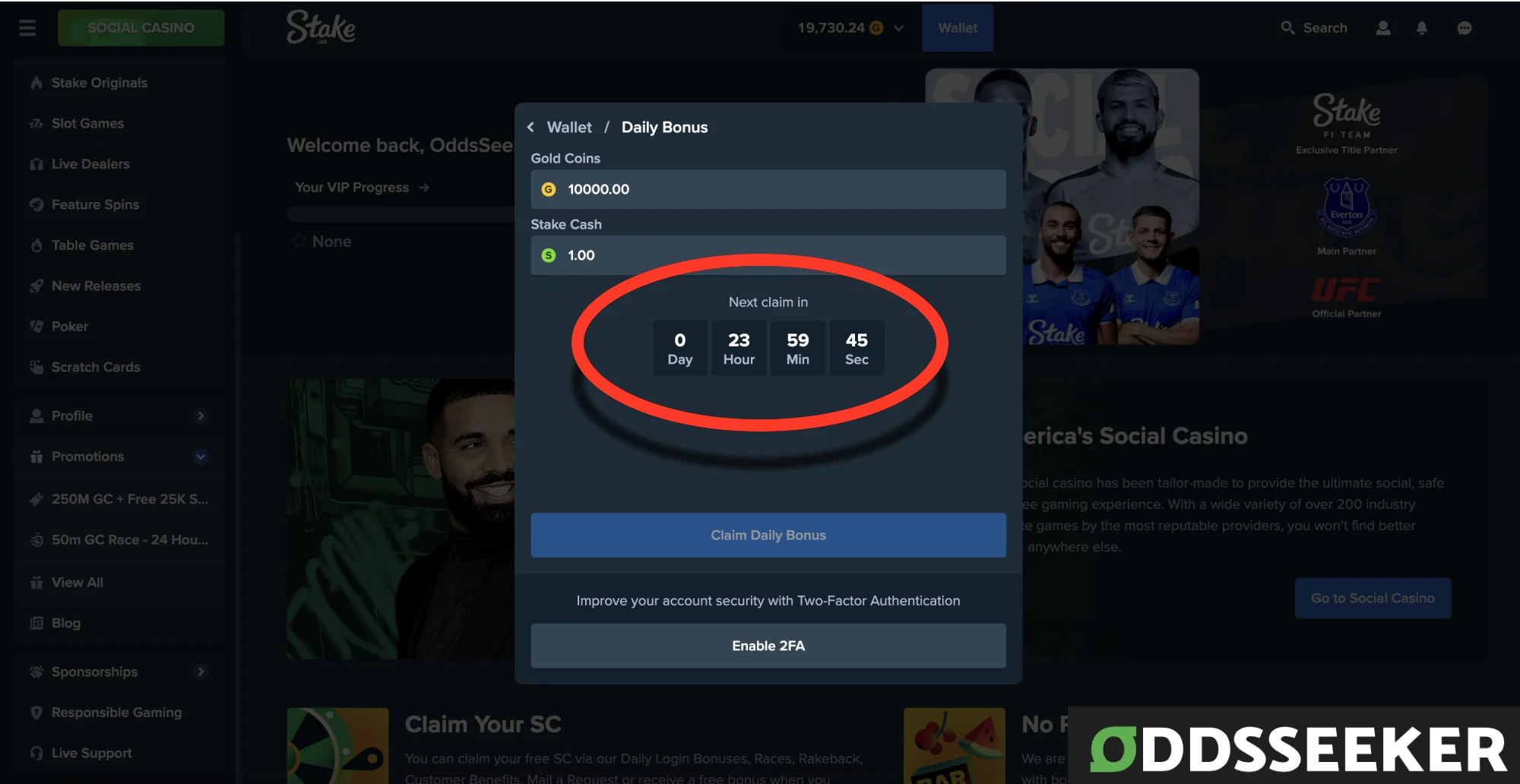
Loyalty and VIP Mechanics That Recognize True Volume
Many casino loyalty programs are structured to obtain maximum value while offering just enough to stop you from leaving. I went into the Stake VIP structure with that skepticism and came out with a more detailed view. The program runs on a tiered model that monitors wagering volume across all categories, and the key distinction is that it doesn’t artificially split your play between slots, live dealer, and sportsbook for eligibility. I tracked my own progress through the lower tiers and noticed that rakeback percentages, reload bonuses, and periodic loss-back credits followed a predictable curve I could project against my monthly volume. The VIP management team was responsive without being pushy, and the personalized offers I got after reaching mid-tier were customized to my actual game preferences, not generic templates. One feature I consider valuable is the daily reload structure that activates at higher levels, giving a consistent bankroll boost that effectively lowers the house edge on your favorite games when you crunch the numbers over a large sample. The program also features non-monetary perks like event access and merchandise, but I focus on the hard math. For a Canadian player with steady monthly volume, the effective rakeback percentage after considering all reward mechanisms is in a range that significantly surpasses what most publicly advertised loyalty programs provide. I also value that the terms for reward redemption are written in plain language without hidden “maximum cashout on bonus funds” clauses that often kill the perceived value of competitor programs.
Library Depth and the Provably Fair Advantage
I’ve invested considerable time aligning the game library to what Canadian players want, and the catalog sidesteps the common pitfall of padding numbers with low-quality clones. The slots section features titles from Pragmatic Play, Hacksaw Gaming, and NoLimit City, providers that deliver high-volatility games with math profiles that resonate with players who grasp variance and RTP. I directly evaluated a few Bonus Buy games and confirmed that the feature purchase prices are displayed in Canadian dollars with no hidden conversion markups. The live dealer section is driven mainly by Evolution Gaming, and the stream quality and dealer professionalism are up to my standards for real-money table games. What makes this platform stand out is the Stake Originals section, a collection of in-house games that run on provably fair algorithms. I performed verification checks on multiple rounds of Crash, Dice, and Plinko using the built-in hash verification tool, and the cryptographic transparency enables any player independently confirm that the outcomes weren’t tampered with after the bet. For a math-minded audience, this isn’t a gimmick; it’s a fundamental trust mechanism that removes the need to rely solely on regulatory audits. The game selection also encompasses niche categories like virtual sports and esports betting, which I found particularly relevant for the Canadian crowd that aligns with competitive gaming. The esports odds presentation is clear, and the bet slip handles multi-leg parlays without the clunky interface issues I’ve observed on competing platforms.
Payout Architecture That Genuinely Outpaces the Competition
The phrase “better payouts” is používána casually in casino marketing, but I ji zkoumám forensically. At Stake, the payout setup starts with the blockchain settlement layer, which processes crypto withdrawals in minutes, not days. I tested Bitcoin, Ethereum, and Litecoin withdrawals at different times, including peak weekend hours when most sites vkládají artificial delays. The median time from request to blockchain broadcast was under four minutes, and the internal queue never způsobila more than a quick automated security check. That speed is obrovská for Canadian players who vědí that fiat casinos often zavádějí 48- to 72-hour pending periods that mají no real purpose except to make you wait. Beyond speed, the payout ceilings dovolují high-volume players vybrat serious sums without the tiered approval nonsense that plagues competitors. I zkontroloval the withdrawal limits and they’re in line with what serious players expect if they dosáhnou a five-figure balance. Interac e-Transfer is also available for fiat users, and while those transactions trvají longer because of bank systems, the processing times still překonávají the Canadian average by a fair margin. What utvrzuje my confidence is the total lack of hidden processing fees on the casino side. The only costs you máte are network miner fees on crypto transactions, a transparent and unavoidable part of blockchain economics.
Responsible Gaming Tools and the Canadian Context
I am unable to finish an analytical review without talking about responsible gaming tools, especially with the changing regulatory landscape in Canada. Stake offers a set of self-limiting tools: deposit caps, loss limits, session time reminders, and a self-exclusion mechanism that kicks in at the account level immediately. I tested the deposit limit by setting a daily cap and then trying to go over it; the system blocked the transaction and sent a confirmation, which is exactly what I expect from a properly implemented control. Cooling-off options range from 24 hours to permanent self-exclusion, and you don’t need to contact support to activate them, which diminishes the psychological barrier to using them in a moment of real need. The platform also shows reality check prompts that you can set to appear at intervals you choose, and I considered the defaults reasonable without being intrusive. For Canadian players facing the patchwork of provincial rules, it’s important to know that Stake operates under an international license and doesn’t hold a specific Ontario iGaming certification. That doesn’t affect the platform’s functionality or the enforceability of its payout commitments, but I note for full transparency because some players opt to stick to provincially regulated operators. The platform’s commitment to provably fair tech and its transparent approach to game math offer a layer of consumer protection that works independently of any single regulatory framework. I also looked at the privacy policy and data handling: personal information is encrypted in transit and at rest, and I observed no evidence of the data-sharing with third-party marketers that some competitors do. The overall responsible gaming stance is forward-looking, not performative, and that commands respect from an analyst who’s seen too many platforms treat player protection as a box-checking exercise.